
A Guide to Choosing Walking Aids
Release date:
11 Sep,2025
Source:
Are your parents’ steps starting to feel hesitant, slow, or even unsteady? This isn’t simply “getting older”—it’s a clear sign of inevitable changes in physical function. Sarcopenia causes leg strength to decline by 1–2% each year, making it increasingly difficult to stand and walk. Meanwhile, deteriorating vestibular function leads to impaired balance, turning uneven or bumpy surfaces into real challenges. And osteoporosis means even a seemingly minor fall could result in a hip fracture. A walking aid is an essential, proactive tool in modern geriatric medicine. By widening the base of support, redistributing body weight, and providing instant stability, it effectively reduces the risk of falls—empowering seniors to maintain their independence and confidence in safe mobility. Walking aids are commonly categorized into frame-style walkers and rollators.
Frame-style walker: Wheel-free or with two front wheels, featuring a frame-based design that delivers maximum stability and support. It offers high steadiness, a wide support area, and is resistant to slipping.
Walking aids: Featuring a four-wheel design, they typically come equipped with a handbrake and a shopping basket—essentially resembling a "little cart." While providing essential support, these aids balance walking efficiency with the ability to carry items. They offer excellent stability, though their inherent inertia requires a certain level of handling skill.
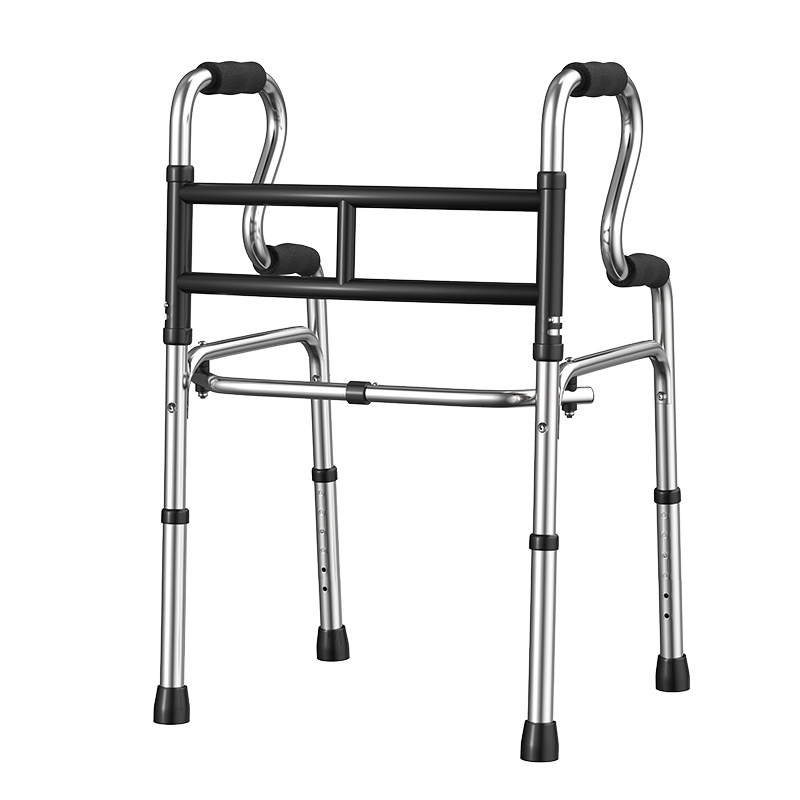
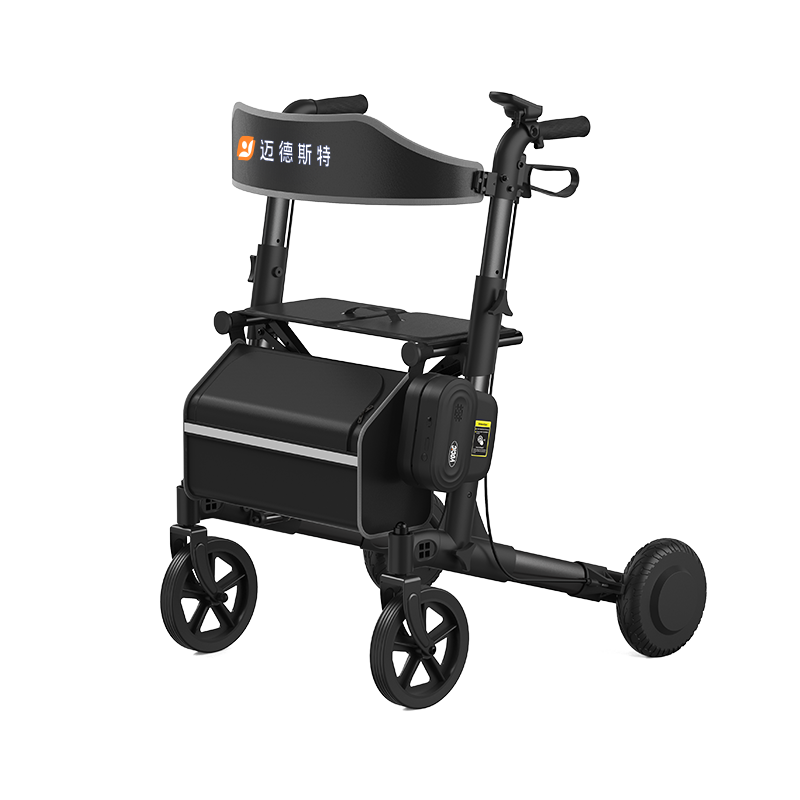
1. Economy & Practical Series → [Basic Upgrade Model]
Features: Extremely stable and safe, helping to establish proper walking posture
Suitable for: individuals with weak muscle strength, extremely poor balance, and those in the early postoperative phase
Recommended models: Z11, Z12
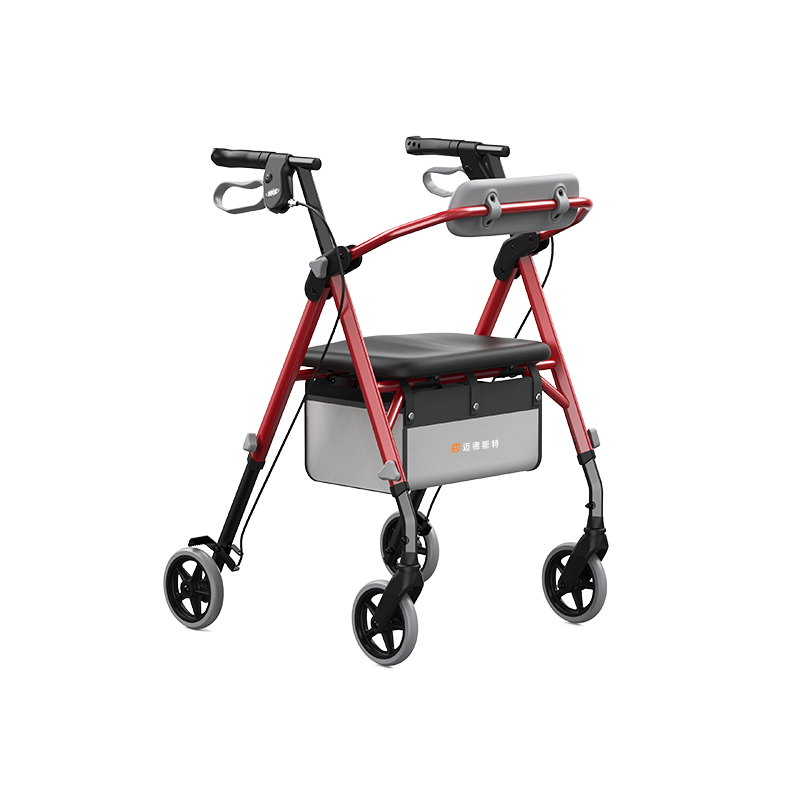
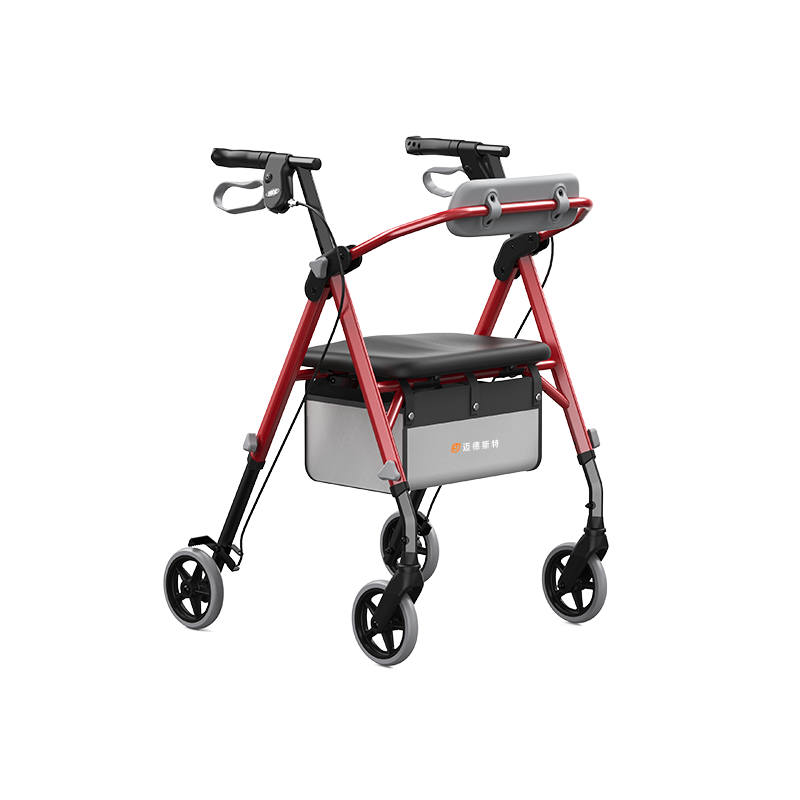
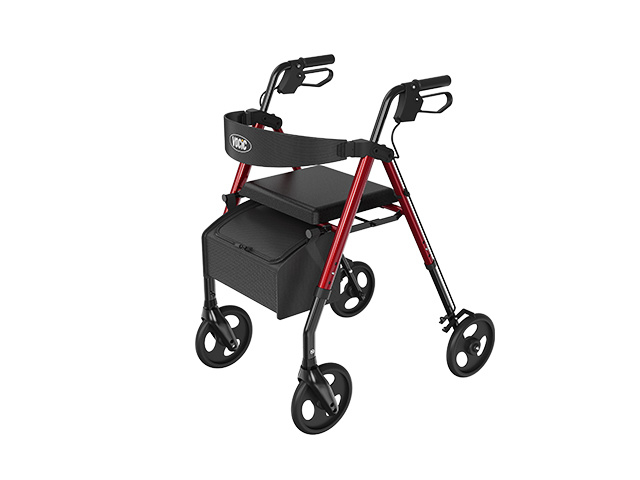
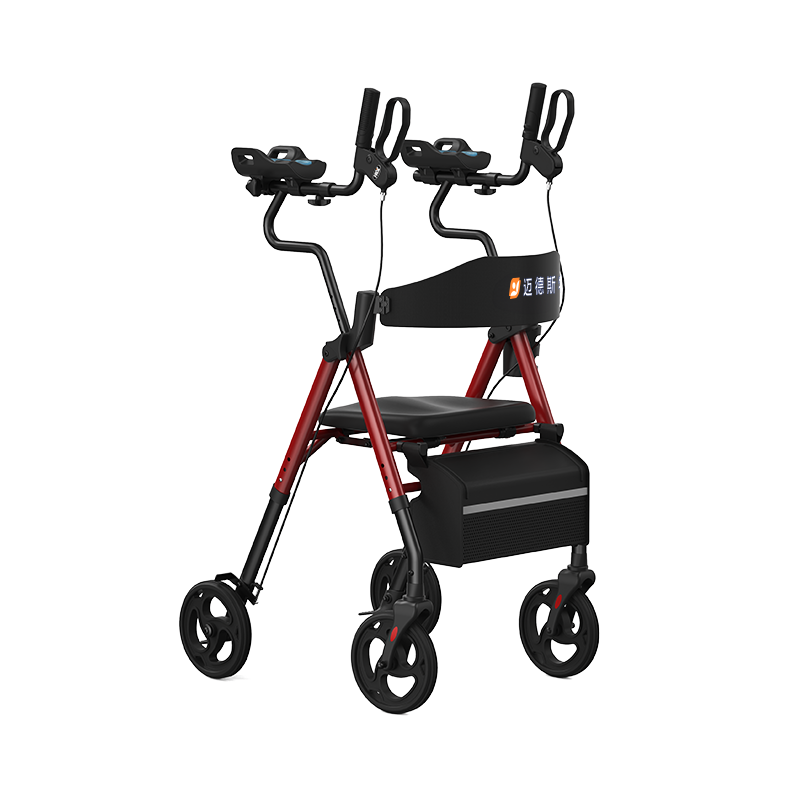
2. Premium Advanced Series → [Peace-of-Mind Travel Edition]
Features: Energy-efficient and effortless walking, capable of carrying items (such as shopping baskets or backpacks), comes with a built-in seat for convenient rest breaks, and features multi-level adjustable handrails.
Suitable for: Users with moderate balance skills, those who need to go out frequently, and individuals prone to fatigue.
Recommended models: Z21, Z22
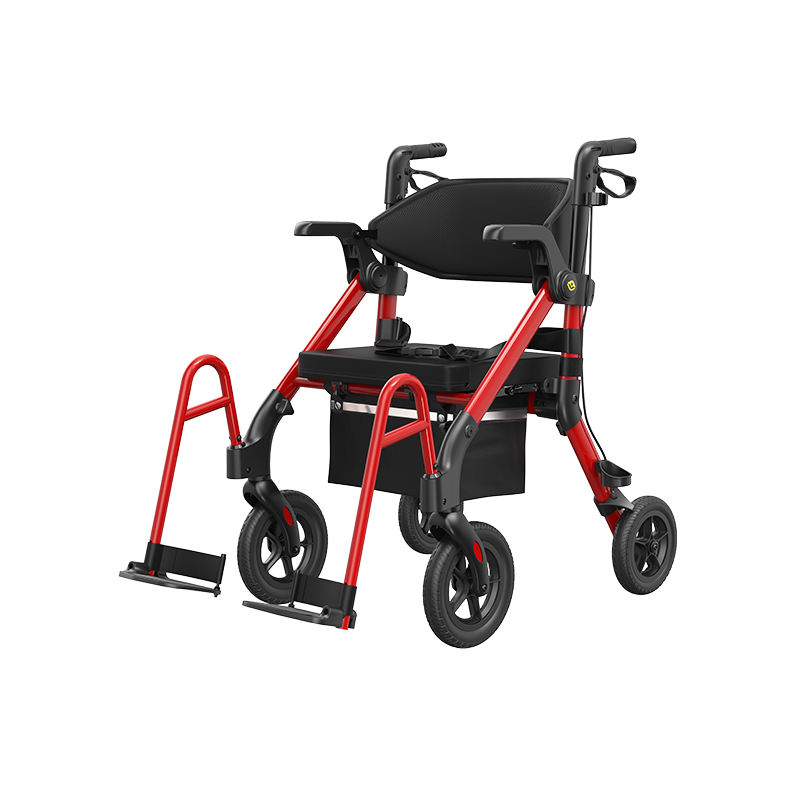
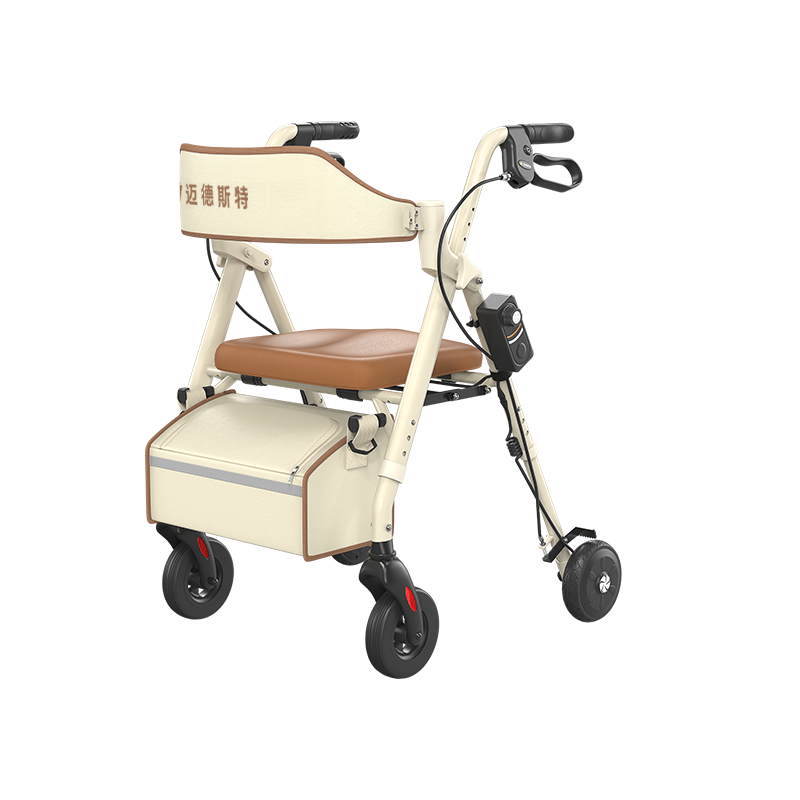
3. Professional Guardian Series → [Recliner & Seating Option]
Features: Effortless and efficient walking, foldable for both standing and sitting, combining the functions of a wheelchair, walker, shopping aid, and resting chair—all in one compact design. Features front-to-back folding capability, multi-position adjustable armrests, and lightweight aerospace-grade aluminum alloy construction.
Suitable for: Users with moderate balance ability, those who need to go outdoors, individuals prone to fatigue, people with weak muscle strength, and early-stage postoperative patients.
Recommended models: Z55, Z63
Four , Safety Tips for Safe Use
Before starting: Check that all knobs and screws are securely tightened, and ensure the foot pads are intact.
When walking: Place the walker one step ahead of your body, then move your affected leg—or the weaker leg—into the walker first, followed immediately by your stronger leg. Avoid positioning the walker too far away.
When turning: Take small, slow steps; never use your walker as the pivot for large, sweeping turns, as this can easily lead to loss of balance.
Up and down slopes (if equipped with wheels): Lean forward when going uphill, lean back slightly when going downhill, and use the handbrake to control your speed.
Five FAQ – Frequently Asked Questions
Q1: Can I buy it directly online? How do I choose the right size?
Sure. The key is to accurately measure the "user's wrist height from the ground." Choosing a product with a wide adjustable range (typically 70–100 cm) will usually meet your needs.
Q2: Do I need to use a walker all the time? Could it lead to dependency?
No. The walker is a supportive and training tool. When used correctly, it encourages movement while ensuring safety, helps maintain muscle strength and mobility, and prevents the complete loss of function that can result from fear-induced immobility—after all, that’s when functional abilities begin to decline rapidly.
Q3: Do the tires need to be inflated?
It is recommended to choose solid tire models. This eliminates the hassle of inflation and ensures they won’t be punctured by sharp objects like nails, allowing for truly worry-free use.
Related Buying Guide
Service Hotline
Address:
5F, Building C, Innovation Technology Park, No. 98 Liuze Street, Cangqian Subdistrict, Yuhang District, Hangzhou, Zhejiang Province, China